Community
What 1% means to Trinity Arts Centre
July 20, 2026
A cultural home under real financial pressure
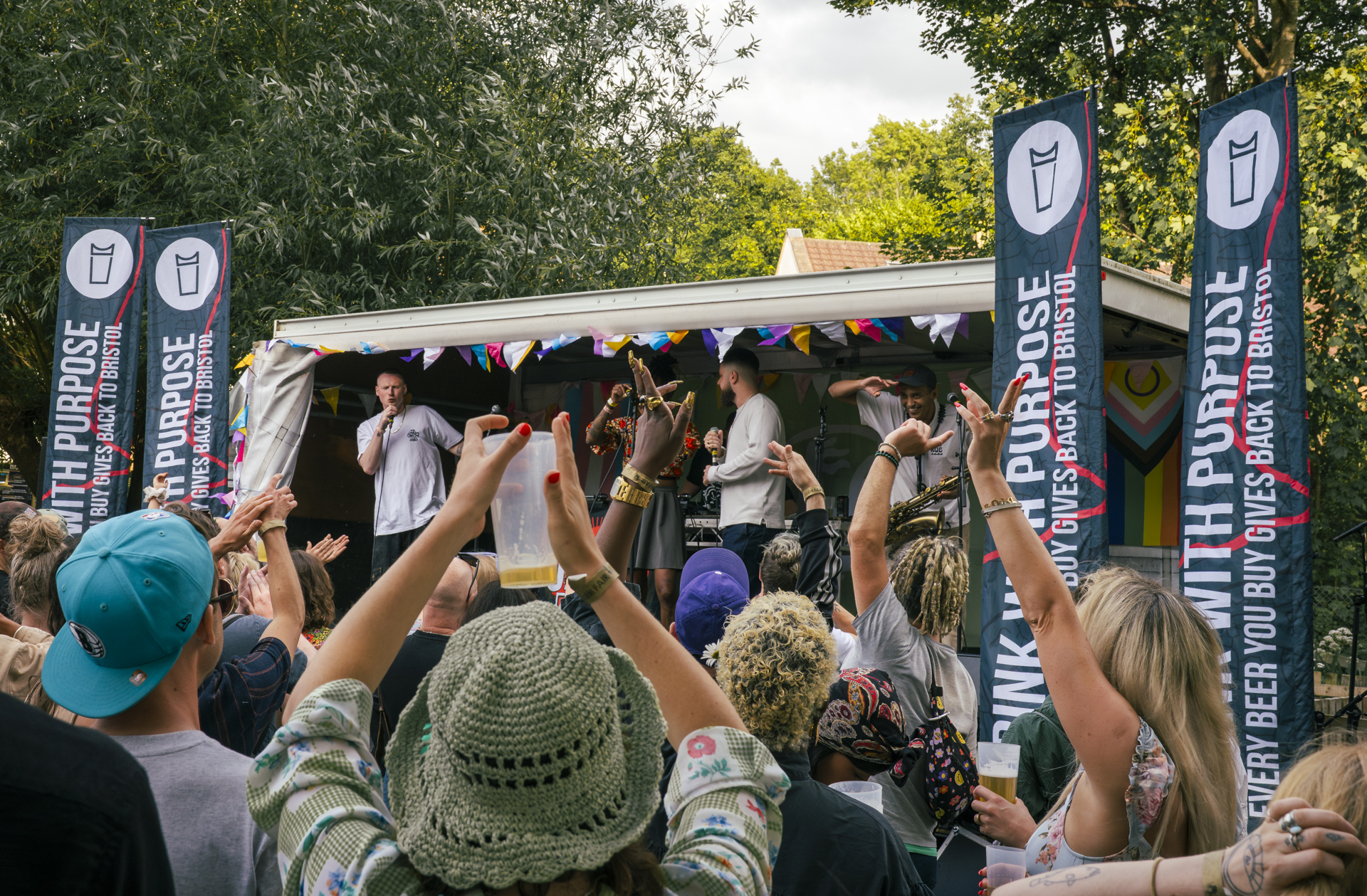
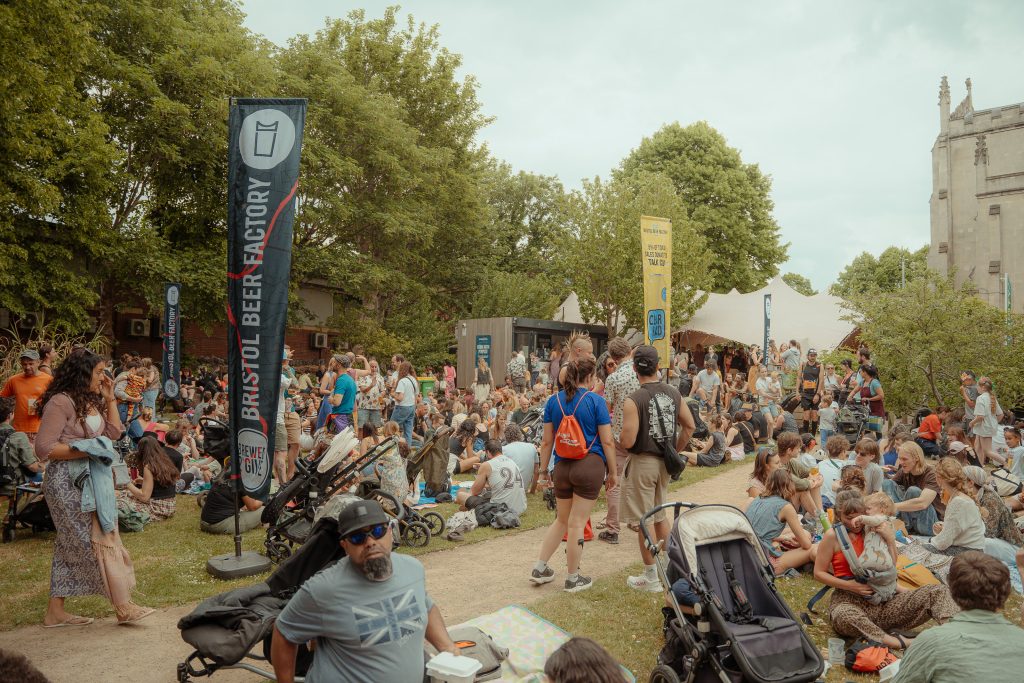
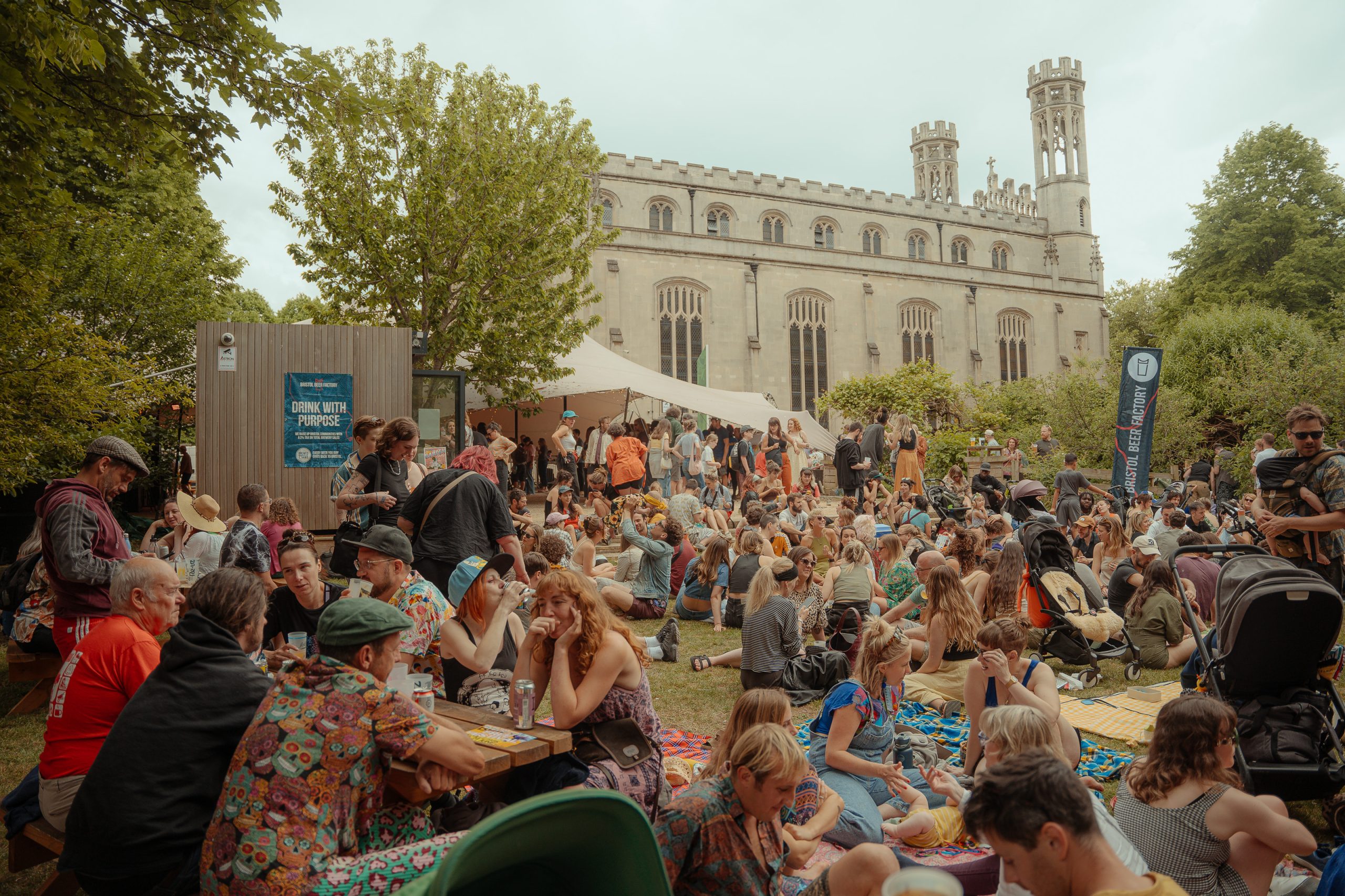
Trinity Community Arts exists so that everyone in Bristol can access, create and shape culture. Based in a much-loved Grade II* listed building, Trinity is both one of the city’s most celebrated independent grassroots music venues – hosting more than 150 live music events every year – and a year-round charity using creativity to strengthen communities and improve lives.
Its work runs through three connected strands:
- RESPOND, building stronger and more connected communities
- EMPOWER, helping children and young people develop confidence, creativity and opportunity
- AMPLIFY, creating platforms for underrepresented artists and communities to lead, perform and shape cultural life.
Together, these programmes reach an extraordinary 73,000 people a year, delivered by a team of 20.
Creativity changing lives: Veronica’s story
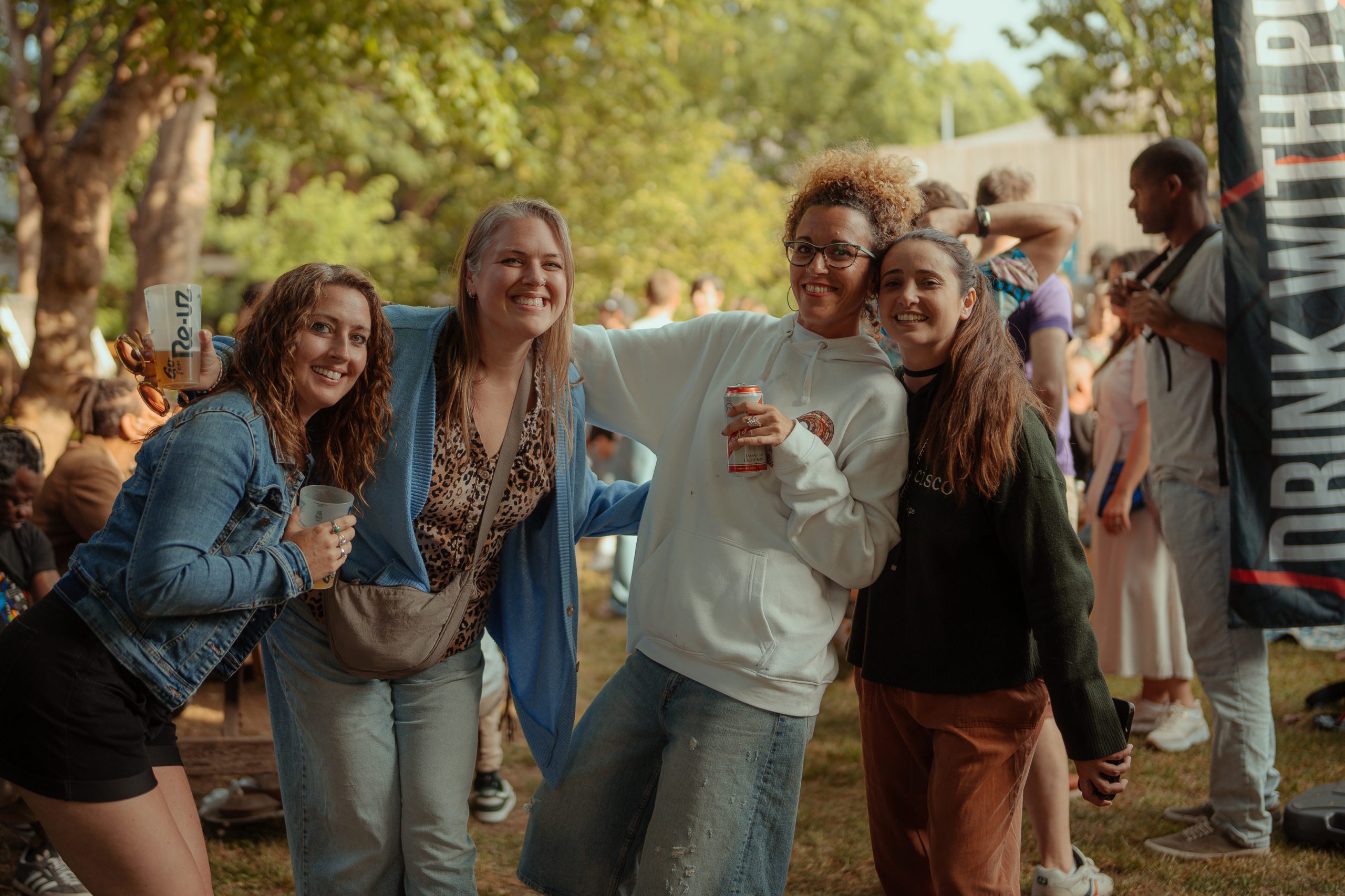
Trinity’s impact is best understood through the people whose lives it touches. Veronica joined Trinity’s Art for Wellbeing programme last year, having previously kept her distance because of negative stories she’d heard about the venue. “I didn’t take any notice before,” she admits. “But now I see what is happening.”
What she found instead was warmth, community and a route back to a creativity she’d left behind decades earlier. Veronica grew up watching her artist mother work, but nursing training, exams and raising a family had long since pushed art out of her life. Now retired, she was determined not to sit at home – and Trinity’s free programme, delivered in partnership with the Bristol School of Art, gave her exactly the outlet she needed.
Working across lino print, acrylics, clay and collage, with no previous experience required and travel support provided, Veronica found not just a creative outlet but a social one. “I am just happy to get up in the morning and come over,” she says. “You get ideas from people.” Her family was surprised at first – “I can’t believe you are going to this!” her daughter said – but seeing her work, and her renewed sense of purpose, changed their minds too.
“I’ve learnt so much and met such lovely people,” Veronica reflects.
The challenge: rising costs, rising demand, shrinking reserves
Behind these stories of transformation sits an organisation under mounting financial strain. As custodians of a Grade II* listed building, Trinity faces significant fixed costs, with inflation driving up energy, maintenance and compliance spending well ahead of its sustainable income. At the same time, as statutory services have been reduced elsewhere, demand for Trinity’s charitable support has grown substantially, leaving the organisation trying to deliver more, with proportionally less to work with.
Trinity has built a diversified income model – combining venue earnings, grants, individual giving and strategic partnerships – and works hard to find efficiencies and only grow programmes where funding is genuinely secure. Even so, the gap between the true cost of delivering high-quality, community-led work and the funding available to support it continues to widen.
That pressure has already reached Trinity’s reserves. Its policy is to hold three months’ operating costs, but it is currently down to around nine weeks – a deliberate choice by its Trustees to protect frontline services rather than cut them, even as the financial cushion thins. Trinity is clear that this isn’t sustainable indefinitely: without more unrestricted funding, it may have to scale back community activities, delay building maintenance and investment, and become more cautious about responding to new needs as they arise.
Trinity describes today’s trust and foundation funding environment as one where demand has grown sharply while funders increasingly favour fewer, larger or narrowly defined grants – many of them short-term, project-specific, or requiring match funding that’s hard to secure. Unrestricted, core funding, the kind that actually keeps organisations running, has become the hardest of all to find.
The strain is felt directly by Trinity’s people. Staff are being asked to do more with fewer resources while working with communities facing high levels of inequality and complexity. A significant amount of time goes into managing funding cycles and adapting programmes to short-term grants, rather than focusing purely on long-term community impact – inevitably affecting resilience, capacity and wellbeing, even as the team remains deeply committed to its work.
Why local business backing matters
Trinity is direct about why We Back Bristol matters: strong communities depend on strong local organisations. Organisations like Trinity rarely attract the national spotlight, yet they are often the first to respond when communities face difficulty, and the last to step away. Despite this, they consistently struggle to secure the unrestricted, core funding that actually allows them to retain skilled staff, maintain safe and welcoming spaces, and plan for the future rather than simply surviving month to month.
By offering flexible, long-term support rather than short-term project funding, We Back Bristol helps organisations like Trinity move beyond survival mode and focus on lasting impact. Trinity is clear that this kind of investment – trusted, local, and sustained – is one of the most effective ways to strengthen Bristol’s communities for the long term, protecting not just services but the relationships, expertise and buildings that make them possible.
The bigger picture
Trinity Community Arts is a nationally significant cultural institution and a vital community charity in one – reaching 73,000 people a year, and still being forced to run down its reserves to protect the services people rely on. If an organisation of this scale, reach and reputation is under this much pressure, it speaks volumes about the state of Bristol’s wider charity sector.
This is exactly why We Back Bristol is calling on the city’s independent businesses to give 1% of revenue back into their communities. Flexible, local, long-term backing could be the difference between Trinity having to scale back its programmes, and continuing to give thousands of Bristolians, like Veronica, a place to belong, create and thrive.
Imagine if every business gave 1%.
Read more of what we have been up to