Food & Housing
Youth
The Mazi Project
July 20, 2026
The Mazi Project supports marginalised young people aged 16 to 25 across Bristol – including those who have recently left the care system, those seeking asylum, those experiencing homelessness, and those fleeing domestic violence. Mel Vaxevanakis, Founder and Co-Director of Mazi, explained that many of these young people are navigating some of the most challenging circumstances imaginable, often alone and without access to something as basic as nutritious food.
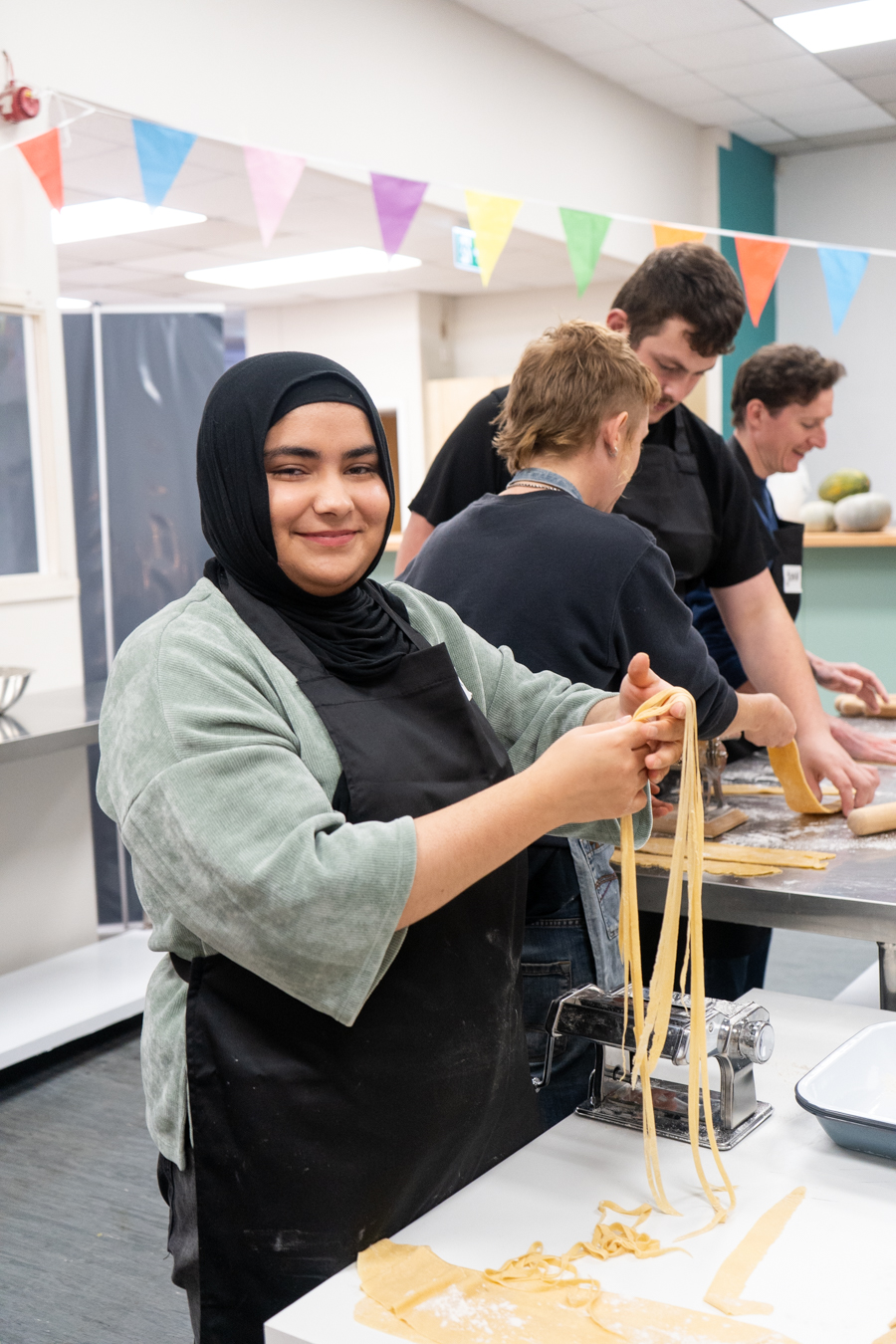
For Mazi, food is a gateway to something deeper: mental health support, community building and personal empowerment, delivered through a trauma-informed approach. Rather than simply handing out meals, the organisation works to break down the financial, physical and emotional barriers that prevent access to nutritious food, creating spaces where young people feel safe, seen and part of something. Through meal kits, shared experiences and opportunities to learn new skills, participants are equipped with tools for independence – cooking becomes a way to regain control, build confidence and reconnect with others. That sense of belonging isn’t a bonus; it’s transformational.
A community effort
Right now, one in four Bristolians uses charity support each week – for dementia care, mental health support, food banks, holiday activity clubs, grassroots sports, hospices and more. Bristol’s charities and community groups are holding this city together, offering support, connection and opportunity exactly when people need it most. Yet across the city, charities are cutting services, and some are closing entirely.
One of the organisations supporting Mazi’s work is Bristol Beer Factory. Since 2023, BBF has given The Mazi Project mofre than £10k of free use of space, raffle prizes and crowdfunder rewards, donated stock for community feasts and fundraisers, and a cash donation towards its kitchen fit-out. But BBF is just one part of a wider community effort.
Volunteers turn out every two weeks to help pack meal kits, turning raw ingredients into lifelines for young people across the city. Others attend Mazi’s monthly “At the Table” supper-club events, where different restaurants take over the community kitchen for one-off dinners — from Josh Eggleton and Bianchis to Root, Pash from the Lido, Pegs from Sonny Stores, Noor Murad and Dina Macki. The menus change, but the events share the same vibe: warmth, vibrancy, music, purpose, and always incredible food. Every person at that table, and every donated BBF beer bought, helps support Mazi’s work.
The reality behind the vibes
Behind the warmth of these events, Mazi’s leadership – like many charities and CICs across the city – is grappling with constant uncertainty over funding, sustainability and survival. How will services continue? How will staff be paid? How can 100 young people keep receiving nourishing food every other week? For Mel and colleagues like Lily, this creates a deeply conflicting experience: witnessing the joy and tangible impact of their work, while putting in long hours, carrying the emotional strain, and constantly chasing funds. The risk of burnout for charity leaders in this position is real – and unsustainable.
A meal that matters
Mazi’s experience isn’t unique. Charities are filling systemic gaps quietly and effectively, without the stability they need to survive. When We Back Bristol asked 100 local charities about the state of the sector, 40 responded, and the findings were stark: 97% report operational costs rising faster than income, 95% say demand for their services has significantly increased, 73% are likely to draw on unrestricted reserves to stay afloat over the next two years, and 60% are at risk of reducing or suspending services due to financial pressure.
Since May 2023, Bristol Beer Factory has raised over £700,000 for Bristol charities by brewing world-class beer and donating profits back to local causes. But far more is needed, which is why BBF is working with other independent businesses to show up for Bristol.
Asked what the ideal future looks like for The Mazi Project, Mel is clear: stability. Sustainable funding, ideally with six months of financial reserves in the bank, would give the organisation space to deliver its work, plan ahead and meet emerging needs without the constant fear of collapse. Beyond that, Mel believes there needs to be a shift in how charities are viewed by government, decision-makers and businesses – not as optional extras, but as organisations strengthening communities, building resilience and shaping more equitable cities.
This is why We Back Bristol is part of the solution. Through a simple 1% commitment, individual success becomes shared momentum.
Every business adds strength. Every pledge creates impact. Together, we are a collective force for change.